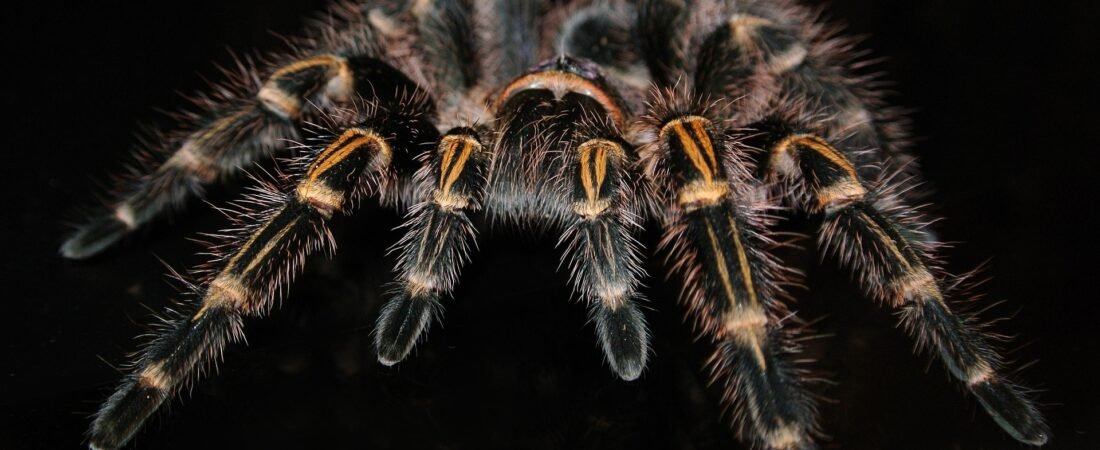
Grammostola pulchripes sling care starts before the spider even arrives, and if you just brought one home, congratulations. You picked one of the most forgiving, docile, and rewarding species to start with in this hobby.
But “beginner friendly” doesn’t mean “no effort required.” Slings are the most fragile stage of a tarantula’s life, and the first few months of care set the tone for everything that follows.
This guide walks through exactly what a G. pulchripes sling needs: housing, substrate, humidity, feeding schedule, molting, and the most common mistakes that trip up new keepers. Follow this Grammostola pulchripes sling care routine closely for the first year, and you’ll set your spider up for a long, healthy life.
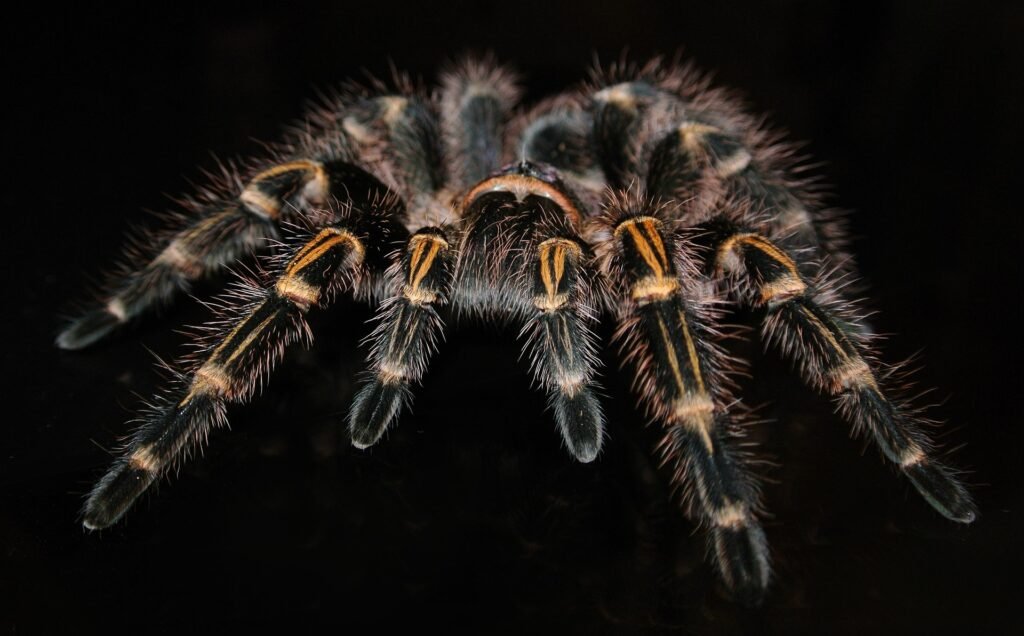
Quick answer: A G. pulchripes sling needs a small, well-ventilated enclosure with 2–3 inches of slightly moist coco fiber. Feed appropriately sized prey every 5–7 days. Keep the temperature between 75–82°F. Avoid handling or overfeeding. During its first year, expect several molts as it grows from about ½ inch to 2–3 inches in leg span.
Why G. Pulchripes Is a Good Beginner Sling
Chaco golden knees are native to Paraguay and Argentina, where they burrow and lead a fairly sedentary, ground-dwelling life. This calm, low-key temperament is exactly why Grammostola pulchripes sling care is a good entry point for new keepers.
Here are 4 reasons that make them a good beginner-safe species:
- Slow-moving and rarely defensive
They don’t bolt or flick hairs at the first sign of disturbance the way many other species do.
- Forgiving of small mistakes
Minor slip-ups in humidity, feeding timing, or enclosure setup won’t stress them out the way it would a more sensitive one.
- Terrestrial, not arboreal
Their setup is simple since they live on the ground and burrow rather than climb, so you skip the taller, more complex enclosures that arboreal species need.
- Docile temperament as adults
Their docile temperament carries through their entire life, not just the sling stage, making long-term handling and maintenance easier and less stressful for both the owner and the tarantula.
Setting Up Housing for Grammostola Pulchripes Sling Care
- Enclosure Size
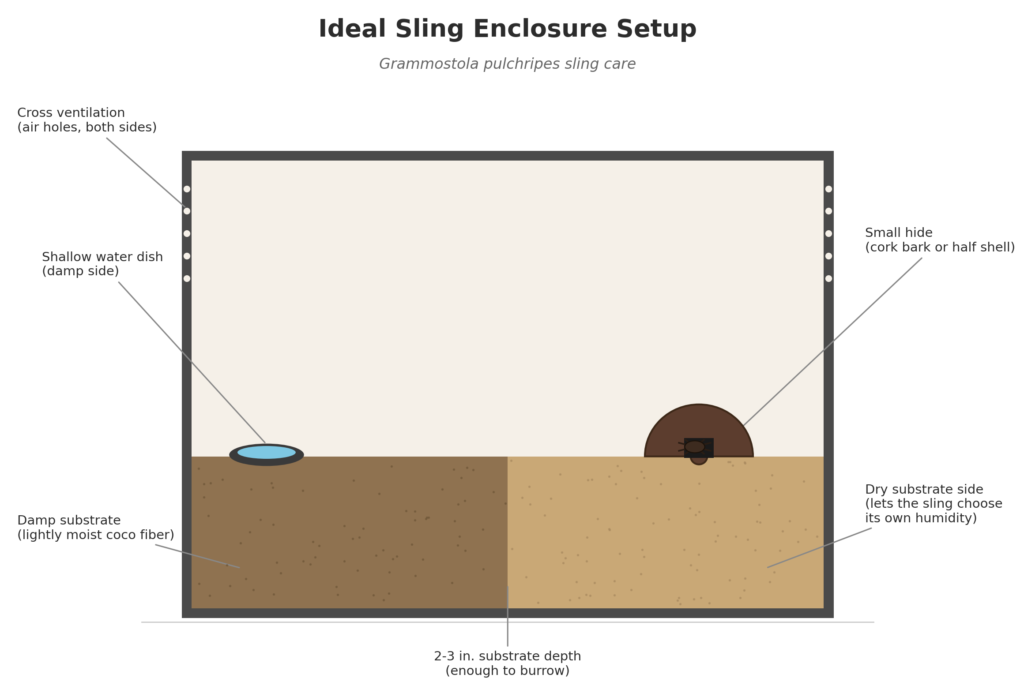
For a sling with an inch or less in leg span, use a small deli cup or specimen container (around 2 to 4 ounces), and gradually increase the size as it molts to prevent stress and help it find food more easily.
Upsize the enclosure roughly every few molts rather than on a fixed schedule.
- Substrate
Use 2 to 3 inches of coco fiber (coco coir), or mix it with a bit of peat-free potting soil. G. pulchripes likes to burrow, so give it enough depth to dig a starter burrow if it wants one. Slings often use the substrate for cover at first, then begin burrowing as they mature.
Keep the substrate on one side of the enclosure lightly moist, not wet, while leaving the other side dry. This lets the sling choose its own humidity level rather than forcing the entire enclosure into a single condition.
Stagnant, overly humid air is a bigger threat to a sling’s health than slightly dry air. Therefore, provide small air holes on the sides of the enclosure, not just the lid, to help prevent mold and bacterial buildup in the substrate.
- Hides
Hides are also a crucial part of their enclosure. It’s so because an exposed sling will spend most of its time stressed and hiding rather than eating and growing normally. It’s therefore essential to provide a small hide, cork bark, a piece of egg crate, or half a coconut shell initially.
But once it starts burrowing on its own, the artificial hide becomes less necessary.
- Temperature and Humidity
Room temperature works just fine for most homes, so you don’t need to buy a heat mat or fuss over exact numbers.
Aim for 75-82°F, and try to keep it from creeping above 85°F for long stretches to avoid speeding up the sling’s metabolism. This species is built for a slow, unhurried pace of life, and heat may stress it out.
Maintain humidity at 65-70% by keeping one side of the substrate damp. Do not mist the air, as it creates spikes; humidity shoots up, then crashes back down. This instability is worse than just sitting a little lower and staying consistent.
Once your sling grows into a juvenile, it becomes much more tolerant of drier conditions, and you can back off active humidity management almost entirely.
Feeding Schedule: A Core Part of Grammostola Pulchripes Sling Care
Feed your Chaco golden knee slings appropriately sized prey, i.e., prey no larger than their own body length, roughly every 5 to 7 days.
Feeding options may include pre-killed or live pinhead crickets, as well as small pieces of pre-killed prey for the tiniest slings that can’t tackle a whole insect yet.
A few feeding principles to keep in mind:
- Don’t overfeed
A visibly swollen abdomen is a sign to skip the next feeding, not a sign of good husbandry. Overfeeding stresses the digestive system and can contribute to premature or difficult molts.
- Remove uneaten prey
If the sling hasn’t eaten within 24 hours, remove the prey item. Live insects left in the enclosure can stress or even injure a sling, especially during the pre-molt period, when it’s more vulnerable.
- Expect appetite loss before molting.
A sling that refuses food for days or weeks at a time, especially if its abdomen looks dark or its coloring seems duller than usual, is very likely entering a pre-molt phase. This is normal. Stop offering food until the molt is complete and the sling has hardened for several days.
Molting: What to Expect
Molting is one of the most important parts of Grammostola pulchripes sling care, since it’s how your spider grows, and slings go through it often, sometimes every few weeks in the earliest stages, slowing down as they age.
Slings molt frequently, sometimes every few weeks in the earliest stages, and more slowly as they age. Each molt is a jump in size and a step closer to sexual maturity.
Your sling will show signs when they are about to undergo molting. These signs include a darkened, shiny abdomen, reduced or absent appetite, and reduced activity.
During this period, avoid disturbing the enclosure or offering food, and ensure the substrate is sufficiently moist to prevent a stuck molt.
After the molt is complete, wait 7-10 days before offering food again. The new exoskeleton needs time to harden fully, and a fang strike on prey too soon after molting can cause injury.
Common Mistakes New Keepers Make
Most problems in Grammostola pulchripes sling care come down to a handful of repeated mistakes like:
- Overhandling
G. pulchripes have a good temperament as an adult, but their slings are fragile. So if they accidentally fall from even a short height, it can be fatal, so avoid handling slings entirely.
- Setting up large enclosures
Oversized housing can make a small sling’s world harder to navigate and can slow feeding response.
- Overwatering the substrate
Avoid overwatering the substrate, as excessive moisture can cause more problems than slightly dry conditions. For example, a waterlogged substrate can lead to mould and bacterial growth.
Whenever in doubt, keep the enclosure mostly dry and provide just one damp area rather than making the whole substrate wet.
- Panicking during a molt
Molting can feel a little overwhelming to you as a new keeper, but do not panic. A tarantula on its back, mid-molt, may look alarming, but it’s the normal molting posture, not a sign of distress. So, leave it alone and let the molting finish.
- Inconsistent feeding
Erratic feeding, skipping weeks then overcompensating with multiple prey items, is harder on a sling’s system than a steady, predictable schedule.
Growth Timeline: What to Expect
Their growth speed varies by individual, feeding frequency, and temperature. A rough timeline for G. pulchripes looks like this:
- First year
Sling can grow from roughly half an inch to 1.5 to 2 inches in legspan, with frequent molts.
- Years 2 to 3
Their growth slows down. Your tarantula is now a juvenile, which is molting less often but with a larger increase in size each time.
- Years 4 to 6 (Subadult stage)
Male tarantulas mature faster than females and may reach maturity around 3 to 4 years. On the contrary, females may take up to 5 years to reach full adult size and maturity.
- Adulthood
Females can live well beyond 20 years in captivity with proper care. Males, however, have a much shorter lifespan after maturity, often just 1 to 2 years.
Understanding this timeline is a core part of long-term Grammostola pulchripes sling care, since knowing what’s normal at each stage helps you catch problems early.
Frequently Asked Questions
- How often should I feed my G. pulchripes sling?
You should feed roughly every 5 to 7 days, offering prey smaller than the sling’s body length. But skip feeding if the abdomen looks swollen, and always remove uneaten prey within 24 hours.
- Why is my G. pulchripes sling not eating?
The most common reason is an approaching molt. If you notice a darkened abdomen and reduced activity, your sling is about to undergo molting. If the sling otherwise looks healthy, appetite loss before a molt is completely normal and doesn’t require intervention.
- Can I handle my G. pulchripes sling?
This is another important factor of Grammostola pulchripes sling care. Avoid handling the sling as it is fragile, and a short fall can be fatal.
- How big does a G. pulchripes sling get as an adult?
These tarantulas typically grow to 5.5-6 inches, making them among the larger species commonly kept by beginners.
- What is the humidity requirement of a G. Pulchripes sling?
They require around 65%-70% humidity, maintained by a damp section of the substrate rather than by misting the air. Good ventilation is as important as humidity levels for preventing mold and bacterial issues.
Final Thoughts
Chaco golden knees earn their reputation as beginner-friendly for good reason. They’re tolerant, slow-moving, and forgiving of the small mistakes every new keeper makes along the way. But that reputation only holds up if the fundamentals are in place from the sling stage onward.
Get these fundamentals of Grammostola pulchripes sling care right- stable humidity, appropriately sized enclosures, a consistent feeding schedule, and patience through every molt- and you’re not just raising a spider through its first year. You’re setting the tone for a healthy, thriving adult that could be with you for two decades or more.
Keep a simple log of feeding dates and molts as you go. It won’t feel necessary in the first few months, but a few years in, that record becomes the single most useful tool you have for spotting patterns and catching problems early, long before they become real ones.